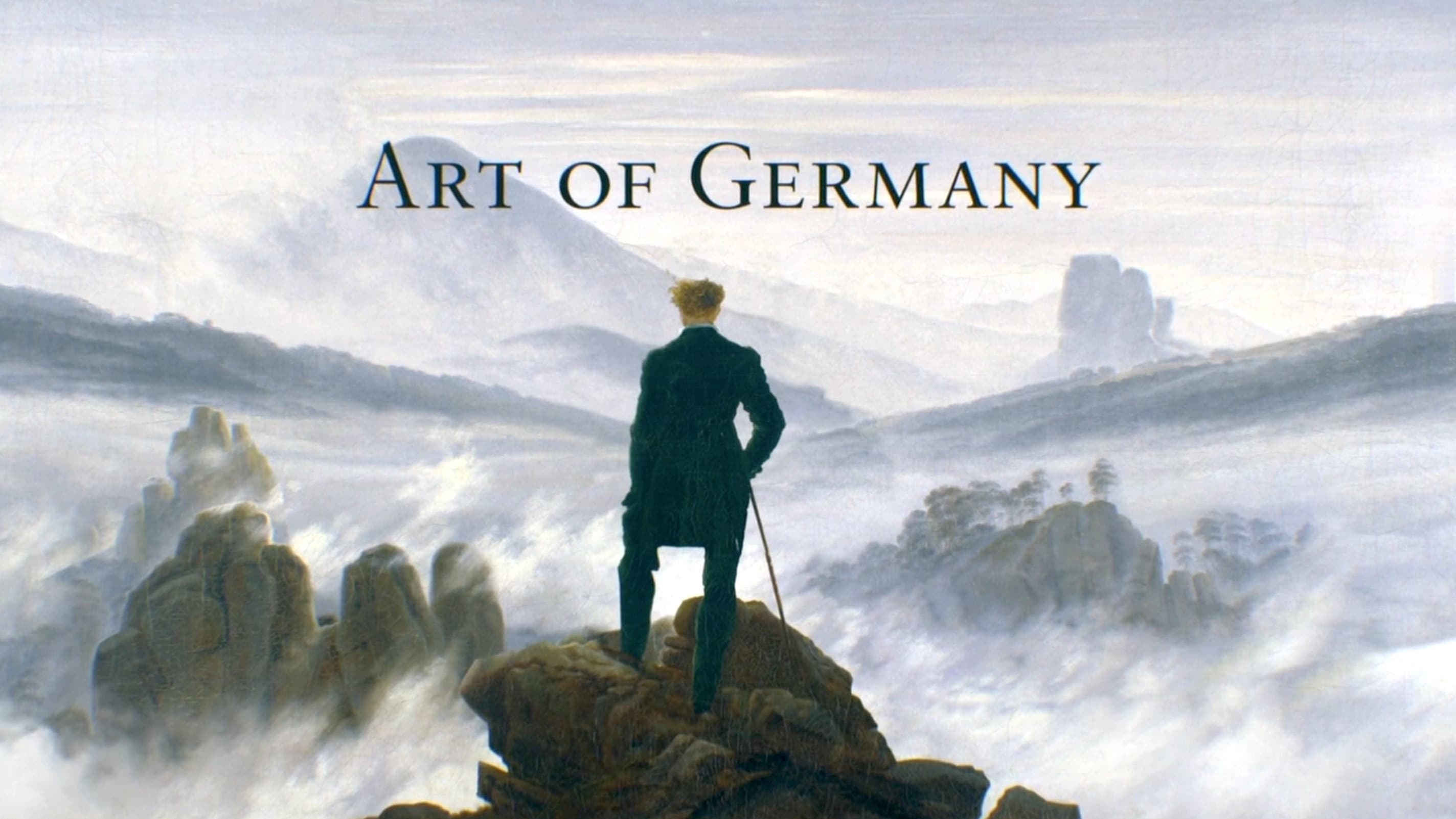
Art of Germany
★ 8.0•2010•1 Seasons•
Documentary
In an absorbing study, Andrew Graham-Dixon tells the story of a national art that conveys passion, precision, hope and renewal. He juxtaposes escapism with control and a deep affinity with nature against love for the machine. The fascinating story takes us from the towering cathedral of Cologne, the woodcuts of Albrecht Dürer and paintings of Grünewald to the gothic fairytale Neuschwanstein Castle, the Baltic landscapes of Caspar David Friedrich and the industrialisation lent expression of Adolph Menzel and Käthe Kollwitz. As the series progresses, it presents a rare focus on the cultural impact of Hitler's obsession with visual art, reveals how art became an arena for the Cold War and examines the redemptive work of the "visionary" Joseph Beuys – the most influential artist of modern times.
Top Cast
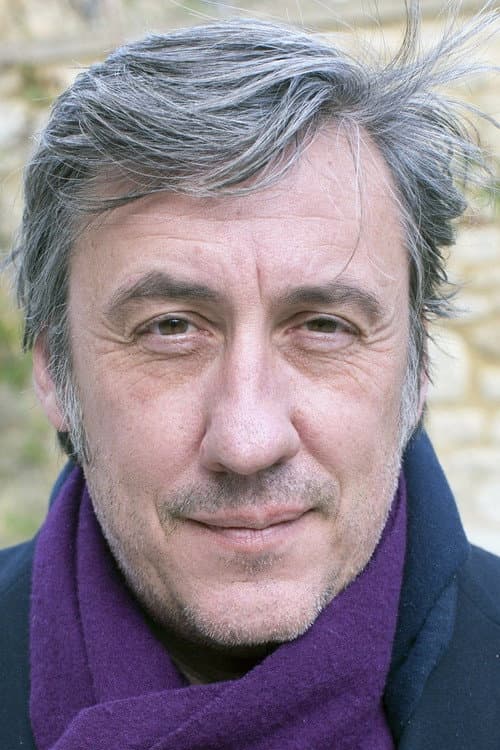
Andrew Graham-Dixon
Self - Presenter
Episodes
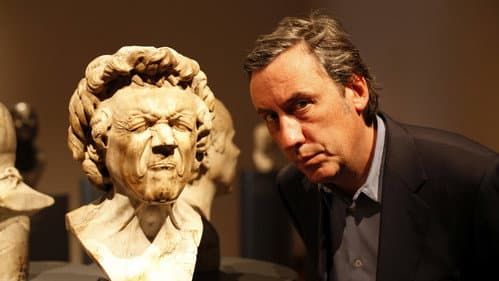
1. A Divided Land
60mAndrew Graham-Dixon begins his exploration of German art by looking at the rich and often neglected art of the German middle ages and Renaissance. He visits the towering cathedral of Cologne, a place which encapsulates the varied and often contradictory character of German art. In Munch he gets to grips with the earliest paintings of the Northern Renaissance, the woodcuts of Albrecht Durer and the cosmic visions of the painter Albrecht Altdorfer. Andrew also embarks on a tour of the Bavarian countryside, discovering some of the little-known treasures of German limewood sculpture.
Aired: 11/29/2010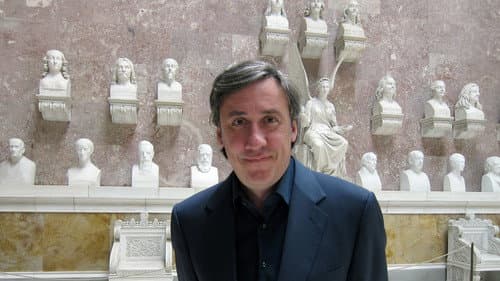
2. Dream and Machine
60mAndrew Graham-Dixon continues his exploration of German art by looking at the tumultuous 19th century and early 20th century, and how artists were at the forefront of Germany's drive to become a single nation. Andrew travels to the north and the coastal town of Griefswald, the birthplace of Caspar David Friedrich, the most influential of the German Romantics, to discover how the Baltic coast impacted on his mysterious paintings of the German landscape. He also visits Berlin and explores the art of the powerful Prussian state, which would spearhead the unification of Germany in 1871. The episode ends with the outbreak of the World War I and the attempts of artists Franz Marc and Otto Dix to rationalise the catastrophic experiences of the world's first technological war, a war driven by the innovations of Prussia.
Recommended TV Shows

Similar TV Shows
Reviews (0)
Sign in to share your thoughts with the community.