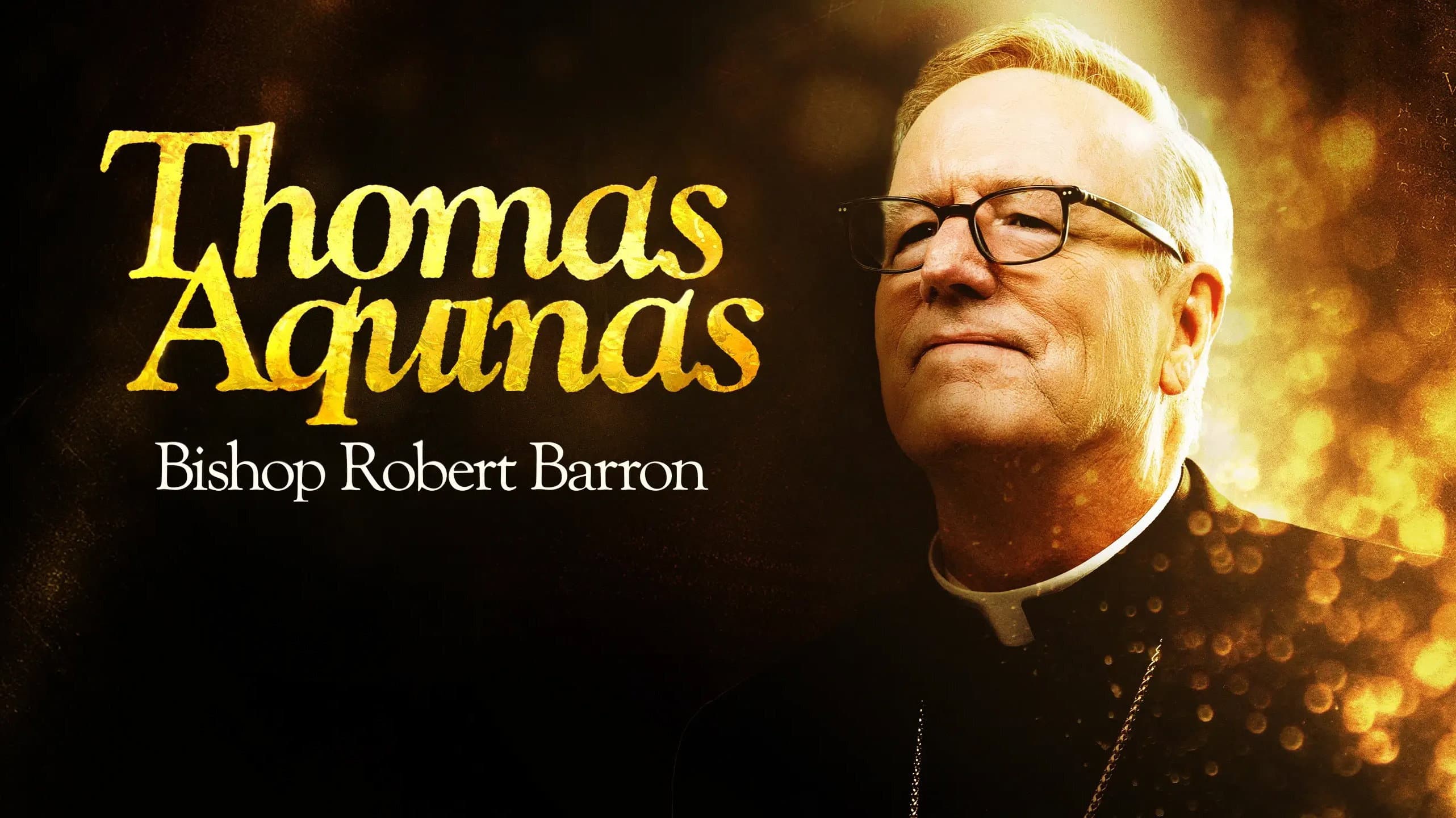
Thomas Aquinas
★ 0.0•2026•1 Seasons•
DocumentaryTalk
In Thomas Aquinas, a seven-hour course, Bishop Robert Barron guides us through a study of the theological and philosophical system of Thomas Aquinas, the 13th-century Dominican friar who masterfully synthesized Ancient Greek philosophy with Christian doctrine. We examine his Five Ways for demonstrating God's existence, his understanding of divine attributes and the Trinity, and his teachings on creation, providence, and the problem of evil. The course delves into Aquinas's philosophical anthropology, particularly the relationship between body and soul and humanity's creation in God's image. We conclude by studying his ethical framework centered on finding happiness in God as humanity's ultimate goal, and the role of virtues in ordering human life toward God.
Top Cast
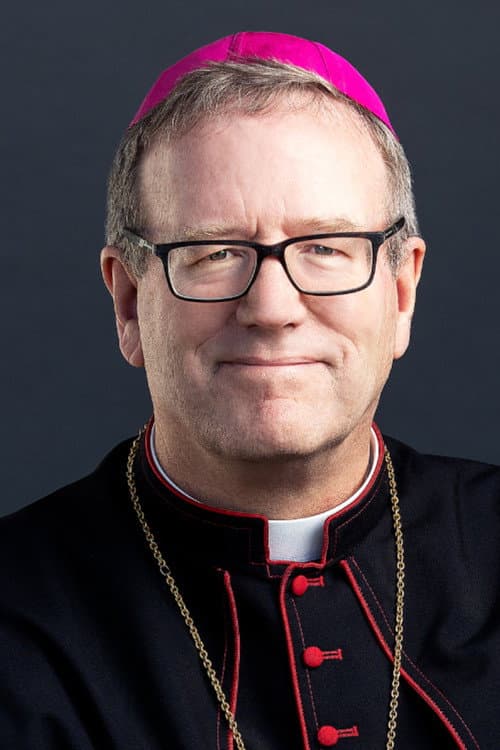
Bishop Robert E. Barron
Host
Episodes
No Preview
1. Life, Times, and Culture
51mIn our introductory lecture, we encounter the life, times, and cultural context of Thomas Aquinas, the 13th-century Dominican friar and theologian who represents the height of medieval scholastic thought. We examine his embrace of Aristotelian philosophy, his formation from a Benedictine monastery to the University of Paris, and his innovative teaching methods through disputed questions that shaped his masterwork, the Summa Theologiae. The lecture concludes with insights into Aquinas’s personal sanctity, including his mystical experiences and his famous declaration that all his writings seemed like “straw” compared to what had been divinely revealed to him shortly before his death in 1274.
Aired: 5/15/2026No Preview
2. Approach to God
Recommended TV Shows















Similar TV Shows













Reviews (0)
Sign in to share your thoughts with the community.