Extraordinary Clouds
★ 0.0•2026•1 Seasons•
Documentary
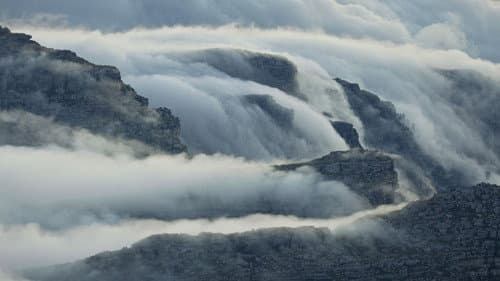
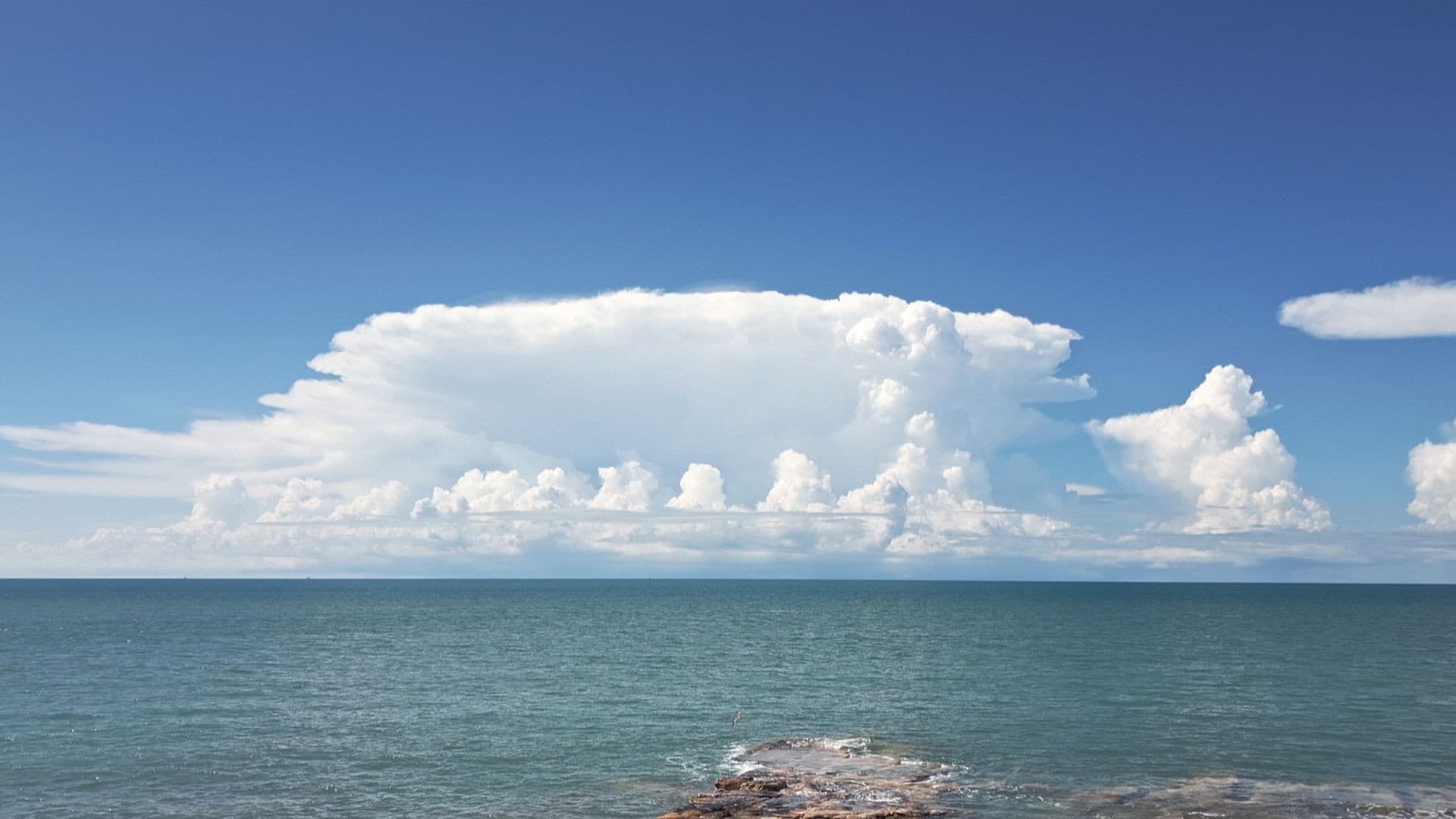
Objects of myth that inspire both fear and hope, clouds are as much cultural icons as they are subjects of scientific exploration. They shape ecosystems and ocean cycles, provide vital water, and have long been a source of human fascination and inspiration. Across four destinations and diverse ecosystems—from the Pacific coast of Chile to the cloud cap of Mount Fuji and the “tablecloth” of Africa’s Table Mountain—cloud hunters, meteorologists, scientists, enthusiasts, and indigenous communities help us decode these extraordinary giants. By supplying moisture to the environment, clouds sustain life and make it possible for unique animal and plant species to thrive, even in the driest regions, while creating some of the most spectacular natural scenes on Earth.
Top Cast
L
Lison Riess
Narrator (voice)

Mathieu Buscatto
Voice
M
Maïa De Favitksi
Voice
B
Benjamin Gasquet
Voice

Stephan Kalb
Voice

Patrick Kuban
Voice

Martial Le Minoux
Voice
Episodes
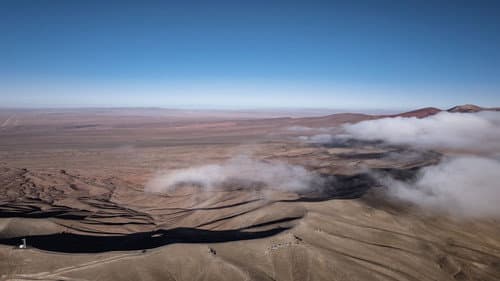
1. Camanchaca: Chile's Beneficial Fog
44mThe Camanchaca fog originates on the Pacific coasts of Chile and Peru and sustains life in the extremely arid Atacama Desert. The indigenous Chango people once revered the fog, which provides water for plants, animals, and people. This life-giving cloud between desert and ocean symbolizes the will to survive and the delicate balance between nature and humankind.
Aired: 3/5/2026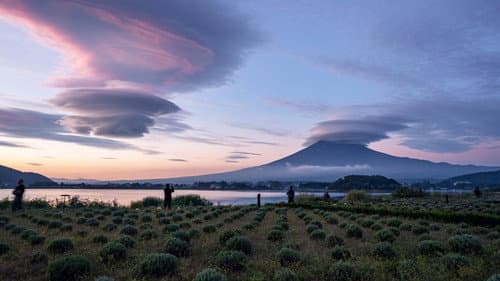
2. Kasagumo: Guardian of Mount Fuji
44mRecommended TV Shows

















Similar TV Shows










Reviews (0)
Sign in to share your thoughts with the community.