Slavery and the Making of America
★ 7.7•2005•1 Seasons•
Documentary
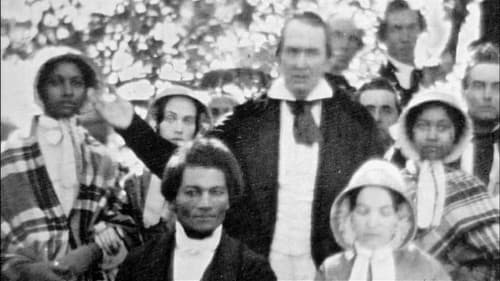
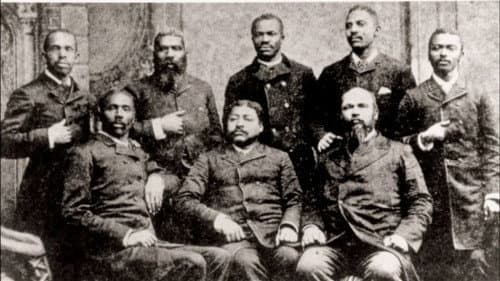
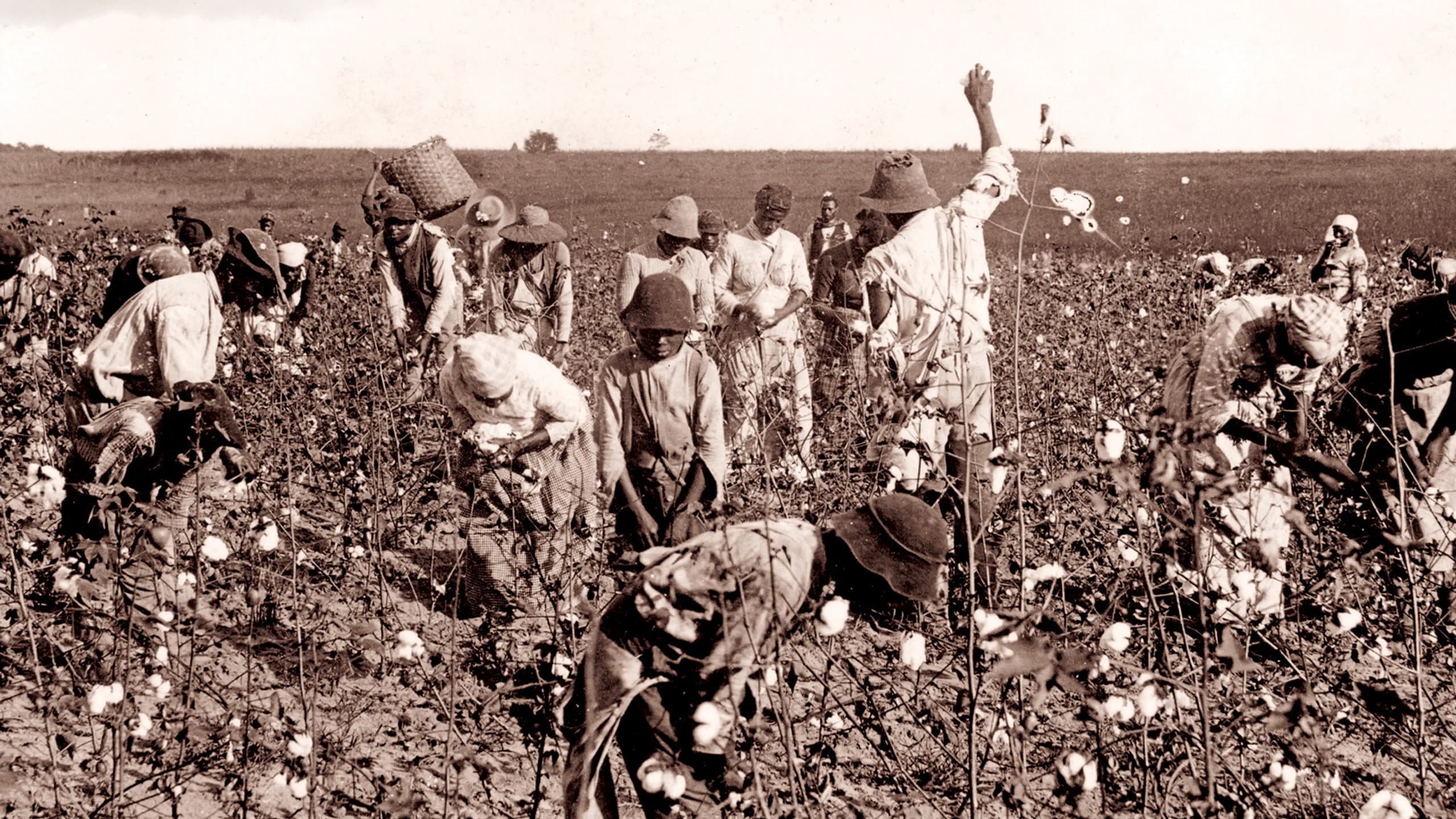
The history of American slavery from its beginnings in the British colonies to its end in the Southern states and the years of post-Civil War Reconstruction. Looks at slavery as an integral part of a developing nation, challenging the long held notion that slavery was exclusively a Southern enterprise. Simultaneously focuses on the remarkable stories of individual slaves, offering new perspectives on the slave experience and testifying to the active role that Africans and African Americans took in surviving their bondage and shaping their own lives.
Top Cast
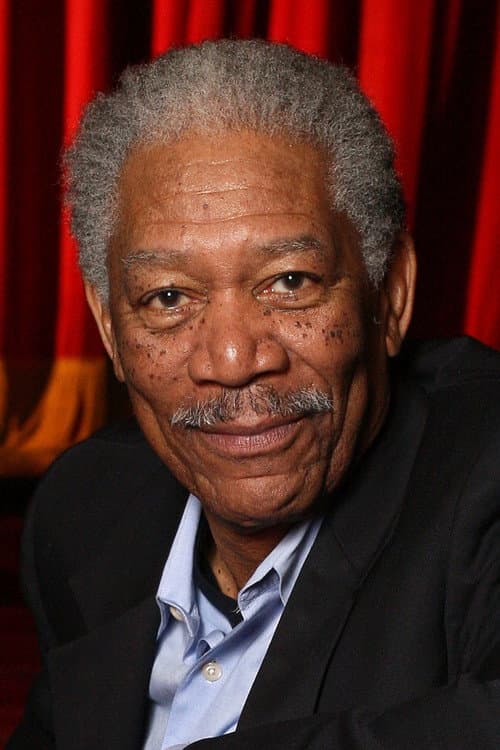
Morgan Freeman
Self - Narrator (voice)
C
Chauncey Herring
Reenactor
J
Justin Jackson
Reenactor
L
Larry Floyd
Reenactor
Episodes
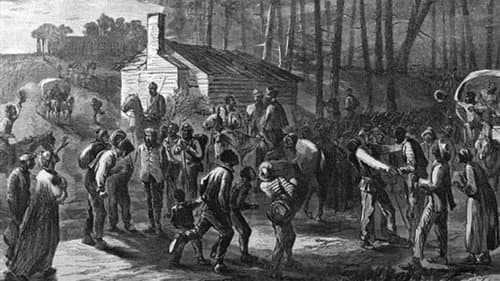
1. The Downward Spiral
55mThe 1620s. Eleven men of African descent and mixed ethnicity enter into slavery in New Amsterdam. Working side by side with white indentured servants, these men labored to lay the foundations of the Dutch colony that would later become New York. No law then defined the limitations imposed on slaves. Anthony d'Angola, Emmanuel Driggus, and Frances Driggus could bring suits to court, earn wages, and marry. After the 1731 Stono Rebellion, many colonies adopted strict "black codes" transforming the social system into one of legal racial oppression.
Aired: 2/9/2005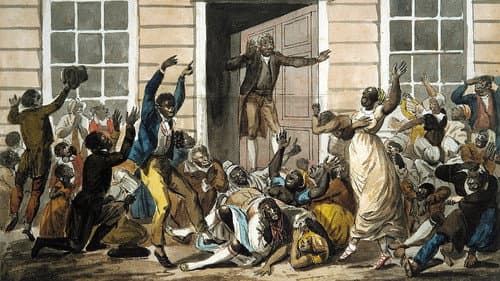
2. Liberty in the Air
Recommended TV Shows







Similar TV Shows




Reviews (0)
Sign in to share your thoughts with the community.