The Trap: What Happened to Our Dream of Freedom
★ 8.0•2007•1 Seasons•
Documentary
Individual freedom is the dream of our age. It's what our leaders promise to give us, it defines how we think of ourselves and, repeatedly, we have gone to war to impose freedom around the world. But if you step back and look at what freedom actually means for us today, it's a strange and limited kind of freedom.
Top Cast
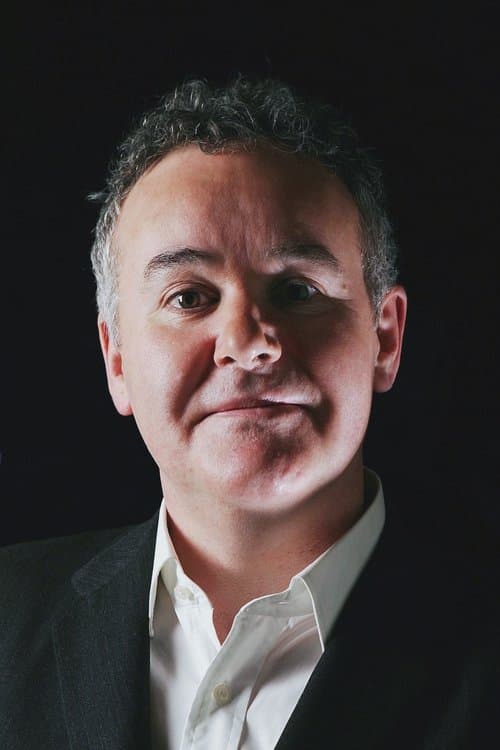
Adam Curtis
Narrator
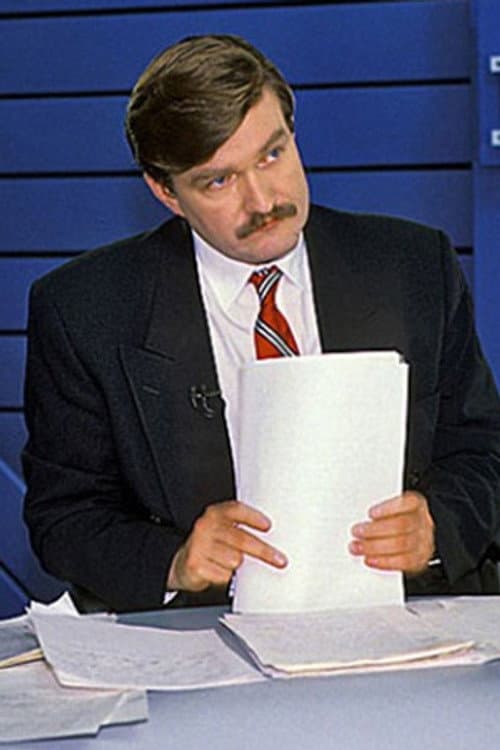
Yevgeny Kiselyov
Self
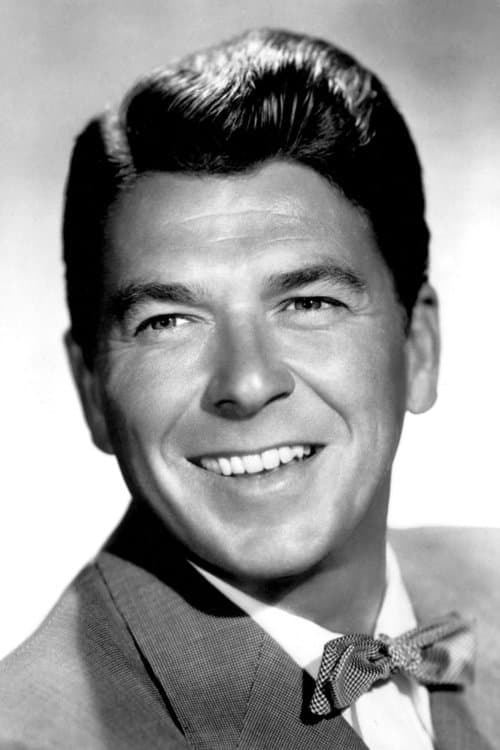
Ronald Reagan
Self (archive footage)
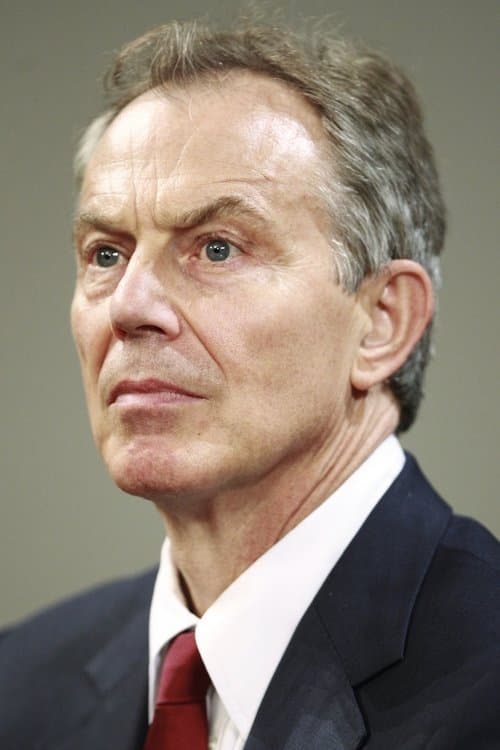
Tony Blair
Self (archive footage)

Boris Yeltsin
Self (archive footage)
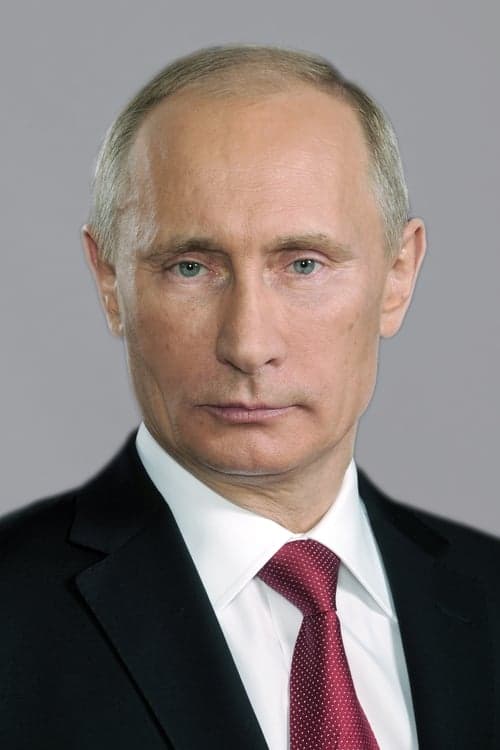
Vladimir Putin
Self (archive footage)
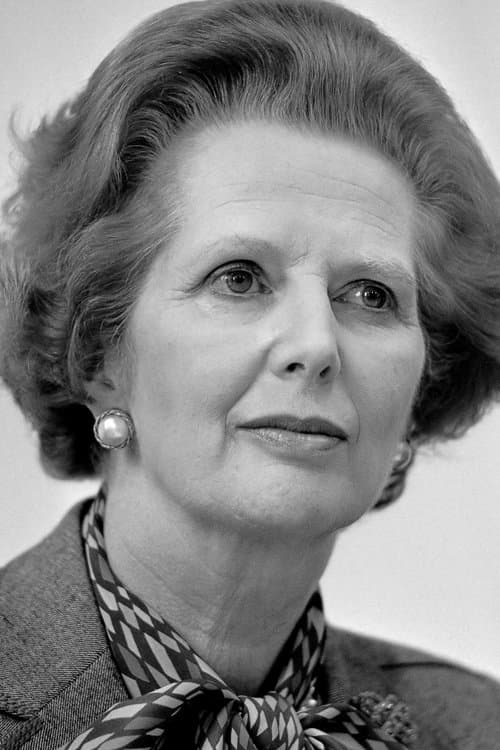
Margaret Thatcher
Self (archive footage)
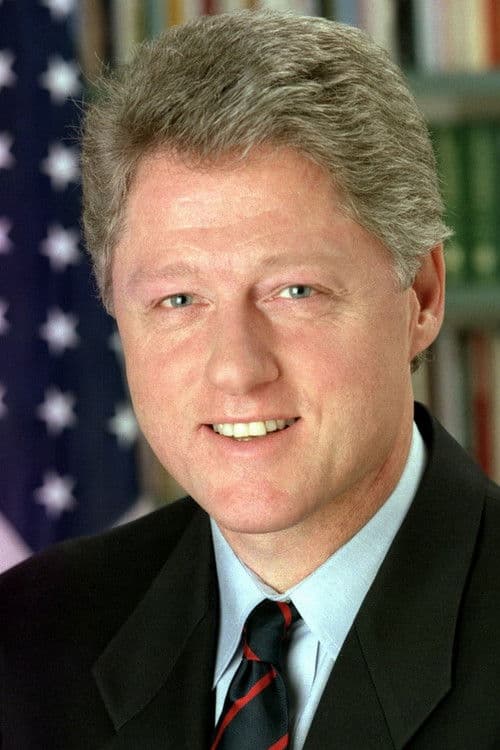
Bill Clinton
Self (archive footage)
Episodes
No Preview
1. Fuck You, Buddy
60mIn this episode, Curtis examines the rise of game theory during the Cold War and the way in which its mathematical models of human behaviour filtered into economic thought with particular reference to the work of John Nash, who believed that all humans were inherently suspicious and selfish creatures that strategised constantly.
Aired: 3/11/2007No Preview
2. The Lonely Robot
60mRecommended TV Shows


Similar TV Shows
Reviews (0)
Sign in to share your thoughts with the community.